This 6-day route is probably the most beautiful path up Kilimanjaro. The accommodations on the way up and down are strictly camping (mobile tents) only. This trek is strenuous and may be better suited to more adventurous hikers.
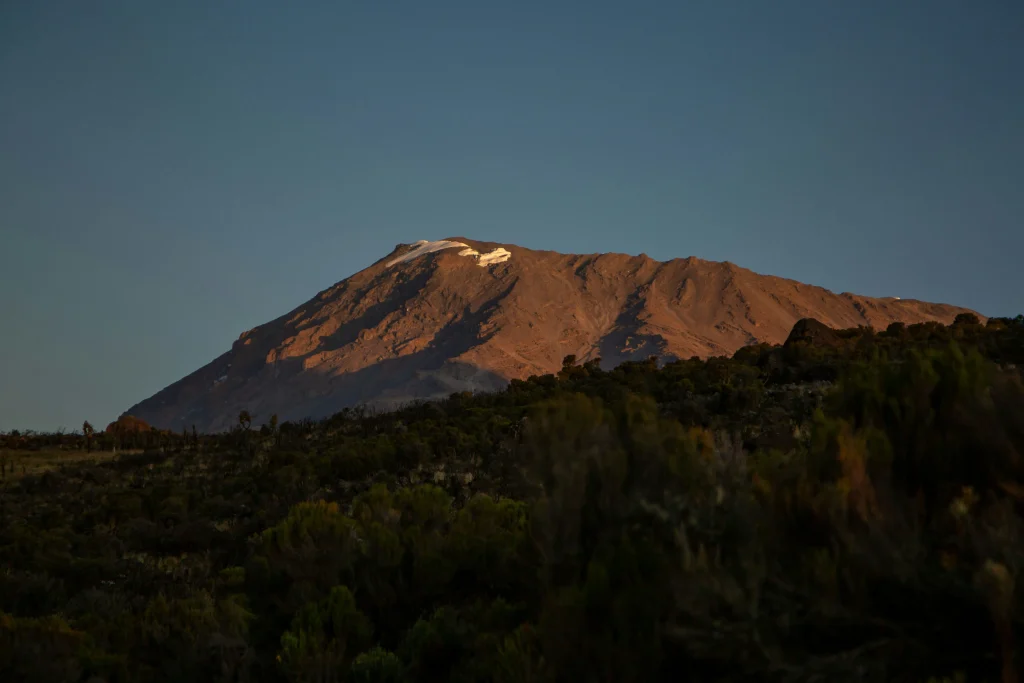
The Machame Route offers one of the most picturesque and rewarding ascents of Mount Kilimanjaro. With its diverse landscapes, from lush rainforests to alpine deserts, this trek immerses you in the full beauty of the mountain. While challenging, the adventure provides breathtaking vistas, including stunning views of glaciers, volcanic formations, and the summit itself. This route typically takes 6 days and 5 nights, making it ideal for adventurous hikers seeking a memorable journey through some of Tanzania’s most striking terrain.
Highlights:
Pick up from Arusha town or Kilimanjaro International Airport and transfer to Moshi town, which is commonly known as the gateway to Mount Kilimanjaro. Half Board accommodation at a Base Hotel in Moshi.
Transfer to Machame Gate and begin the ascent of Mt. Kilimanjaro via Machame Route. Upon completion of entry formalities, begin walking through the mist on a 4 x 4 track for about an hour into the forest.
The track ends, and the trail continues up through the dripping, verdant forest. Trekkers will likely hear the many exotic birds in the canopy above, and many even see black & white colobus monkeys and sykes monkeys as they hike along the forest floor.
The trek is quite long, though not very steep, and it takes from 5 to 7 hours trekking to reach the first camp. Machame Camp is just above the forest zone, in the heather zone. When it is clear, there are views of jagged Shira ridge and the summit itself.
Wake early to a steaming cup of tea or coffee served in your tent, and then after breakfast, begin up the steep track through a savannah of tall grasses, and trees of giant Heather and Erica.
The clouds should clear for a beautiful view of the Western Breach and the glaciers atop which mark the summit; Uhuru Peak. Scramble around large boulders as you enter the moorland zone, marked by the bizarre lobelia and senecio plants and volcanic rocks draped with lichen beards, which protect wild alpine flowers growing at their bases.
You’ll reach camp after descending a small valley and crossing a brook, then ascending up onto the Shira Ridge, after a total of about 4 to 5 hours of trekking.
Proceed steadily upward over long ridgelines of high desert for about 4 hours, and break for lunch at about 14,500 feet (4,420 mt.). After lunch, continue to Lava Tower, a 300 foot-tall volcanic plug which marks an exposed pass at 15,000 feet (4,600 m). In the afternoon, descend the steep track into the Great Barranco Valley.
Barranco Camp is set on a col (flat area) enclosed on three sides with steep valley walls and the Kibo massif itself. Hanging glaciers glint in the sunshine above, amidst the eerie landscape of plants such as the giant groundsels (Senecio Kilimanjari), and the uniquely endemic Giant Lobelia. Trekking time is from 6 to 7 hours.
The day begins with a scramble up the steep ‘Barranco Wall’, then we trek 3-4 hours and stop in the Karanga Valley for a hot lunch. In the afternoon the trail turns steadily uphill. The temperature will grow colder and the landscape more sparse as we near Barafu Camp.
Barafu Camp is set on a small, exposed flat area on a ridge, acting a base camp from which you will make your summit attempt at midnight tonight. Eat and drink as much as possible before retiring to your tent for rest and sleep.
The steaming hot drink will arrive very early on this momentous day. A midnight wake-up call is the start of a juggernaut (12-17 hours of trekking). You begin trekking at 12:30 to 1am. The temperatures range from just below freezing at midnight, to between 10 deg. F (-12 deg. C) to –10 F. (-23 deg. C) just before dawn at the summit.
The winding path of endless switchbacks will take form and shape in the shadows of the Ratzel and Rebmann glaciers at early dawn, and behind you the spires of Mawenzi will be silhouetted against the red glow of the sun from beneath the clouds. After about 6 hours of walking, you will come to the edge of the crater, at Stella Point, at 19,000 feet (5,790 mt.), which is the end of the steep track. From here, there is a gentle slope upward about 1 hour to Uhuru Peak.
After a short time at the summit, descend the steep scree trail back to Barafu Camp for some rest, then again summon your strength for further descent to Mweka Camp for the night.
Descend straight to the gate (2-3 hours), where you’ll have lunch and will be awarded climbing certificates. On arrival at the gate, you will have lunch, then will go back to a Base Hotel in Moshi for dinner and overnight.
After breakfast, we will transfer you to Arusha town.
We specialize in providing exclusive and immersive mountain trekking experiences. Our treks are carefully curated to ensure you not only conquer the peaks, we take pride in offering personalized attention, from small group sizes that guarantee a more intimate experience to expert local guides who are passionate about sharing their knowledge of the landscapes, wildlife, and cultures you’ll encounter.
Beneficiaries Include:
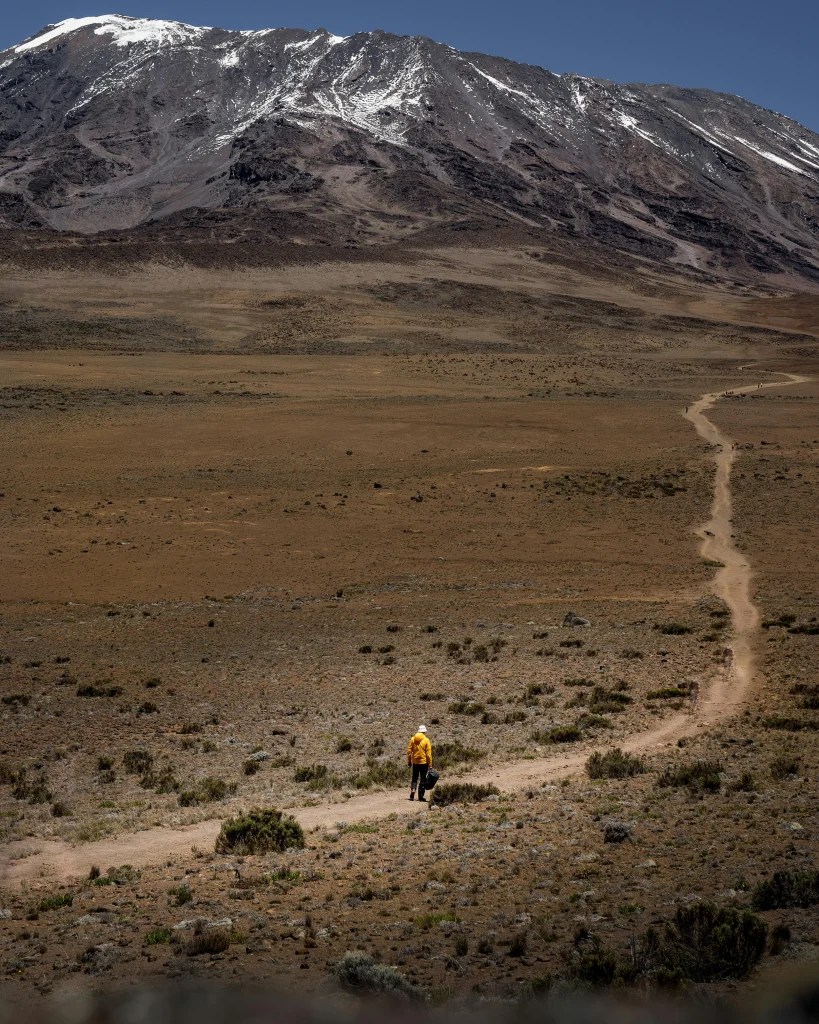
We’re a family-owned, boutique safari company run by Tanzanian locals who know the land and its stories by heart. Our curated, intimate safaris offer exclusive access to experiences most tourists never see, all while providing unmatched hospitality and care.
Not at all! We tailor our safaris to your needs and abilities. Whether you’re traveling solo, as a family, or in a group, we ensure every guest enjoys a safe, comfortable, and memorable journey.
We customize every aspect of your trip, from activities to accommodations, ensuring it suits your preferences and pace. For families, we include fun, interactive elements, while seniors can enjoy more relaxed itineraries with added comfort.
We recommend booking 6–12 months in advance, especially during peak travel seasons (June to October). However, we can accommodate last-minute bookings depending on availability.
Absolutely! We specialize in creating bespoke itineraries that reflect your interests, whether it’s wildlife, culture, adventure, or relaxation.
Our packages typically include all accommodations, most meals, transportation, park fees, and a professional guide. Some packages also include airport transfers and exclusive experiences like village tours or coffee tastings.
We understand plans can change. Our cancellation policy varies depending on how far in advance you notify us. Please contact us for specifics, and we’ll work to accommodate you wherever possible.
Yes, we offer seamless airport transfers as part of our safari packages, ensuring you feel welcome from the moment you arrive.
Many travelers elect the pack essentials including comfortable clothing in neutral colors, sturdy shoes, a hat, sunscreen, a camera, and binoculars.
Yes, travel insurance is highly recommended to cover unexpected events, including medical emergencies, trip cancellations, or delays.
Yes, all our guides speak fluent English, and some are proficient in additional languages. Let us know your needs, and we’ll match you with the right guide.
Absolutely! We cater to families and seniors, with carefully planned itineraries that include plenty of rest stops and activities suited for all ages and abilities.
Our guides are highly trained in safety protocols and first aid. We also use well-maintained vehicles, stay updated on weather conditions, and adhere to park regulations.
We recommend consulting your doctor or travel clinic for advice on vaccinations like yellow fever and malaria prevention.
We can accommodate all dietary needs, including vegetarian, vegan, gluten-free, and allergy-specific meals. Just let us know in advance!
We actively engage with local communities by hiring local guides, sourcing supplies from small businesses, and contributing to community development programs in education and conservation.
Yes, we prioritize sustainable practices by minimizing waste and promoting responsible tourism that protects wildlife and their habitats.
Absolutely! Working with local guides and businesses ensures an authentic experience for our guests while supporting the local economy.
You can expect to see the Big Five (lion, leopard, elephant, buffalo, and rhino) along with cheetahs, giraffes, zebras, wildebeests, countless bird species, and more.
Yes! From visiting hidden waterfalls and secluded villages to participating in authentic coffee tours and cultural exchanges, we offer exclusive experiences off the beaten path.
Of course! We can create a combined itinerary that includes everything from mountain treks to beach getaways.
Our accommodations range from luxury lodges and tented camps to more budget-friendly options. We ensure all options are comfortable, clean, and well-situated for your itinerary.
Yes, our 4×4 safari vehicles are designed for comfort, with spacious seating, large windows, and charging ports for electronics.
Wi-Fi may be available at some lodges, but we recommend embracing the digital detox. Our vehicles have charging ports to keep your devices powered.
Yes, we offer meaningful cultural interactions, including visits to Maasai villages and local markets, where you can learn about traditional lifestyles and customs.
Absolutely! We love introducing our guests to hidden gems, from ancient caves to remote cultural landmarks.
The best time is during the dry season (June to October) for easier wildlife spotting. However, the green season (November to May) offers lush landscapes and fewer crowds.
Our guides are prepared to adjust the itinerary to ensure your safety and comfort while making the most of the conditions.
Let’s plan a journey that’s as unique as you are. Contact us today and discover Tanzania with the Msanya family.

Please complete the form below. We will reach out to you shortly to confirm your itenerary.