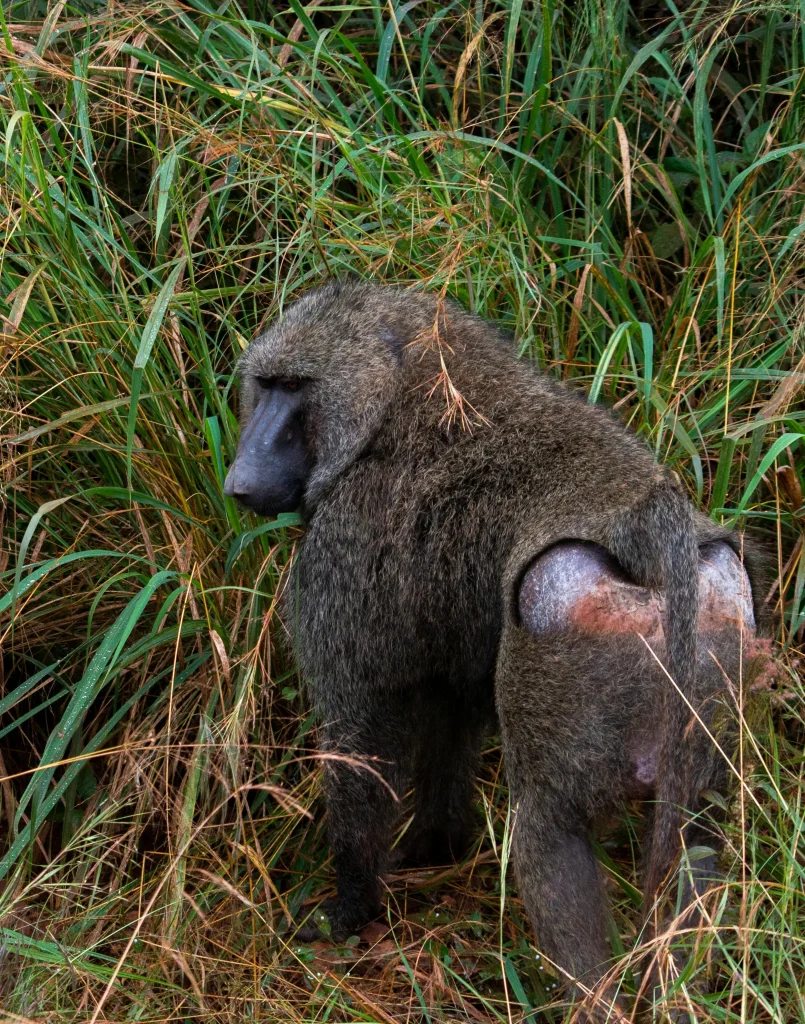
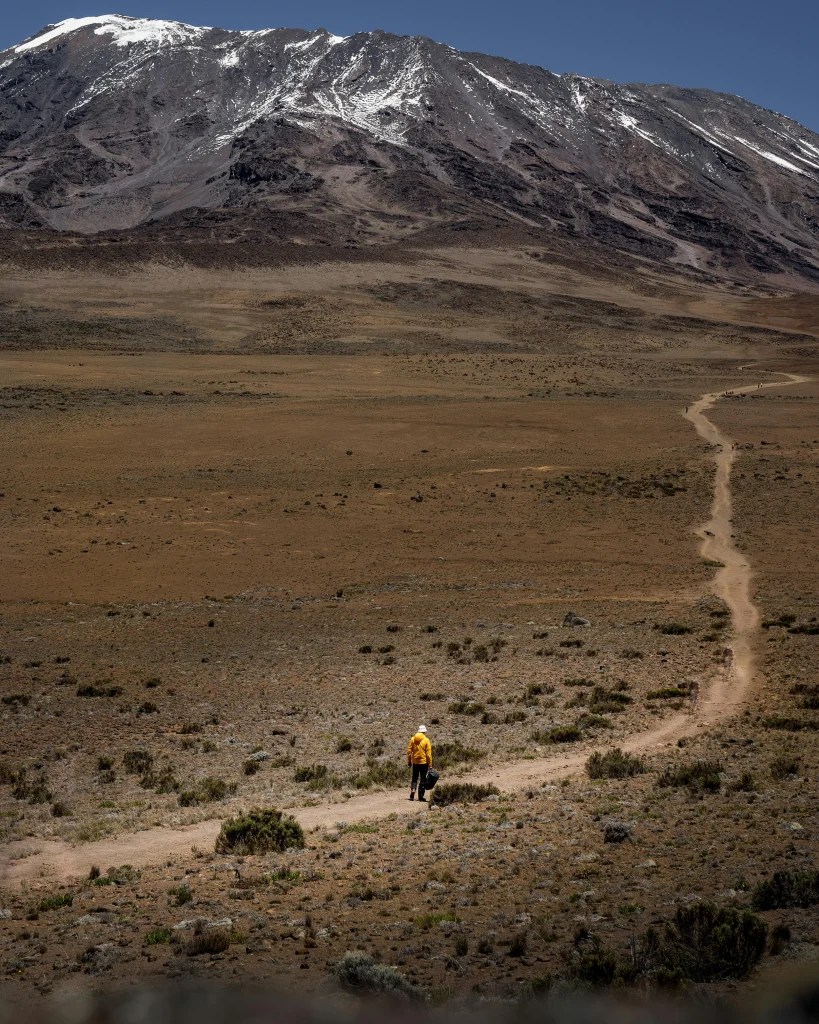
Mount Meru, is within the Arusha National Park, overlooking Arusha town, is the second highest mountain in Tanzania after Kilimanjaro. It is an exciting mountain to climb. There are numerous animals to see on the lower slopes and vegetation zones change as you ascend. Parts of the climb along the saddle are very steep but the views of Kilimanjaro 80km to the northeast and of the cliff face from the summit down to Meru Crater make it worth a climb.. One does not however need technical equipment for the climb. Mount Meru is usually scaled in 3 days / 2 nights, but since descending from the summit takes about 7 hours, some climbers opt for aextra night at Miriakamba Hut which will make it a 4-day / 3 night climb. Overnight accommodation is in alpine huts on your way up and down.
Note: Although Mt Meru is usually climbed from the western side at Olkokola, it can be climbed via Little Meru. The best time to climb the mountain is between October and February, (although there may be some rain in November making it less fun).
Highlights:
Morning transfer to Momela Gate (1500m) to start the climb, 3 hours walk gets you to Mariakamba Hut. Afternoon explore the Meru Crater. Overnight at Mariakamba Hut.
Climb to Saddle Hut which will take about three hours along the steep Saddle walls. Explore Little Meru (3820m), a 1 ½ hour climb in the afternoon. Overnight at Saddle Hut
Early morning ascend to the summit of Mount Meru (4566m) which will take up to 5 hours and then return to Mariakamba Hut for overnight OR descend to Momela Gate (7 hours).
We specialize in providing exclusive and immersive mountain trekking experiences. Our treks are carefully curated to ensure you not only conquer the peaks, we take pride in offering personalized attention, from small group sizes that guarantee a more intimate experience to expert local guides who are passionate about sharing their knowledge of the landscapes, wildlife, and cultures you’ll encounter.
Beneficiaries Include:
We’re a family-owned, boutique safari company run by Tanzanian locals who know the land and its stories by heart. Our curated, intimate safaris offer exclusive access to experiences most tourists never see, all while providing unmatched hospitality and care.
Not at all! We tailor our safaris to your needs and abilities. Whether you’re traveling solo, as a family, or in a group, we ensure every guest enjoys a safe, comfortable, and memorable journey.
We customize every aspect of your trip, from activities to accommodations, ensuring it suits your preferences and pace. For families, we include fun, interactive elements, while seniors can enjoy more relaxed itineraries with added comfort.
We recommend booking 6–12 months in advance, especially during peak travel seasons (June to October). However, we can accommodate last-minute bookings depending on availability.
Absolutely! We specialize in creating bespoke itineraries that reflect your interests, whether it’s wildlife, culture, adventure, or relaxation.
Our packages typically include all accommodations, most meals, transportation, park fees, and a professional guide. Some packages also include airport transfers and exclusive experiences like village tours or coffee tastings.
We understand plans can change. Our cancellation policy varies depending on how far in advance you notify us. Please contact us for specifics, and we’ll work to accommodate you wherever possible.
Yes, we offer seamless airport transfers as part of our safari packages, ensuring you feel welcome from the moment you arrive.
Many travelers elect the pack essentials including comfortable clothing in neutral colors, sturdy shoes, a hat, sunscreen, a camera, and binoculars.
Yes, travel insurance is highly recommended to cover unexpected events, including medical emergencies, trip cancellations, or delays.
Yes, all our guides speak fluent English, and some are proficient in additional languages. Let us know your needs, and we’ll match you with the right guide.
Absolutely! We cater to families and seniors, with carefully planned itineraries that include plenty of rest stops and activities suited for all ages and abilities.
Our guides are highly trained in safety protocols and first aid. We also use well-maintained vehicles, stay updated on weather conditions, and adhere to park regulations.
We recommend consulting your doctor or travel clinic for advice on vaccinations like yellow fever and malaria prevention.
We can accommodate all dietary needs, including vegetarian, vegan, gluten-free, and allergy-specific meals. Just let us know in advance!
We actively engage with local communities by hiring local guides, sourcing supplies from small businesses, and contributing to community development programs in education and conservation.
Yes, we prioritize sustainable practices by minimizing waste and promoting responsible tourism that protects wildlife and their habitats.
Absolutely! Working with local guides and businesses ensures an authentic experience for our guests while supporting the local economy.
You can expect to see the Big Five (lion, leopard, elephant, buffalo, and rhino) along with cheetahs, giraffes, zebras, wildebeests, countless bird species, and more.
Yes! From visiting hidden waterfalls and secluded villages to participating in authentic coffee tours and cultural exchanges, we offer exclusive experiences off the beaten path.
Of course! We can create a combined itinerary that includes everything from mountain treks to beach getaways.
Our accommodations range from luxury lodges and tented camps to more budget-friendly options. We ensure all options are comfortable, clean, and well-situated for your itinerary.
Yes, our 4×4 safari vehicles are designed for comfort, with spacious seating, large windows, and charging ports for electronics.
Wi-Fi may be available at some lodges, but we recommend embracing the digital detox. Our vehicles have charging ports to keep your devices powered.
Yes, we offer meaningful cultural interactions, including visits to Maasai villages and local markets, where you can learn about traditional lifestyles and customs.
Absolutely! We love introducing our guests to hidden gems, from ancient caves to remote cultural landmarks.
The best time is during the dry season (June to October) for easier wildlife spotting. However, the green season (November to May) offers lush landscapes and fewer crowds.
Our guides are prepared to adjust the itinerary to ensure your safety and comfort while making the most of the conditions.
Let’s plan a journey that’s as unique as you are. Contact us today and discover Tanzania with the Msanya family.
Please complete the form below. We will reach out to you shortly to confirm your itenerary.